Our story
Upheld Health started with a question.
Why does so much of managing complex medical care depend on a caregiver remembering everything?
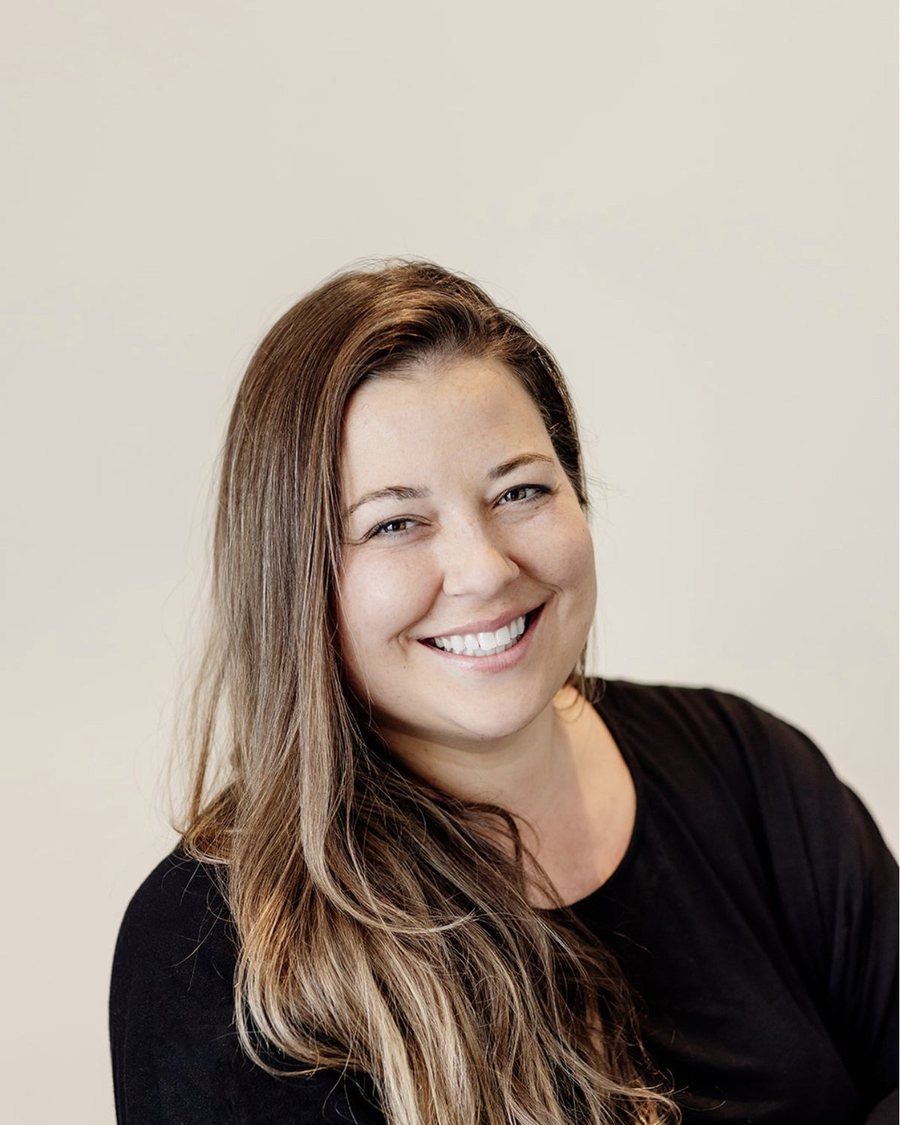
Katelyn Thompson spent years inside pediatric cancer treatment with her son, Nash.
What stood out was not what most people expect. The hospital had systems. The hard part was everything that happened after they left it.
At home there were medications on their own schedules, appointments to prepare for, treatment calendars to follow, instructions that changed between visits, and questions worth saving for the next clinic day. There was a running history someone had to be able to produce on demand — the last dose, the last fever, the last time anything happened. And all of it had to be handed accurately between caregivers, every time one traded places with another.
None of that lived anywhere a family could actually use. It lived in a folder, a portal, a text thread, and mostly in one person’s head.
The insight
Families managing serious illness are being asked to function as an information-management system while simultaneously being a family.
What we decided to build.
Upheld Health exists to move more of that work off the family and into the technology.
Goldie, the company’s first product, is the most direct expression of that idea — a care companion that remembers, so a caregiver doesn’t have to. She is currently in development and preparing for early caregiver validation.
Goldie begins in complex pediatric care because that is the world Katelyn knows. But the problem is not specific to childhood cancer, or to children. It shows up anywhere care is complicated and ongoing — a parent with a new diagnosis, an adult managing several conditions at once, anyone whose treatment does not fit on a single page.
Wherever families are being asked to remember too much, there is work here to do.